Initial Assessment
Evaluate tree structure, note dead or crossing branches, and plan work for the season.
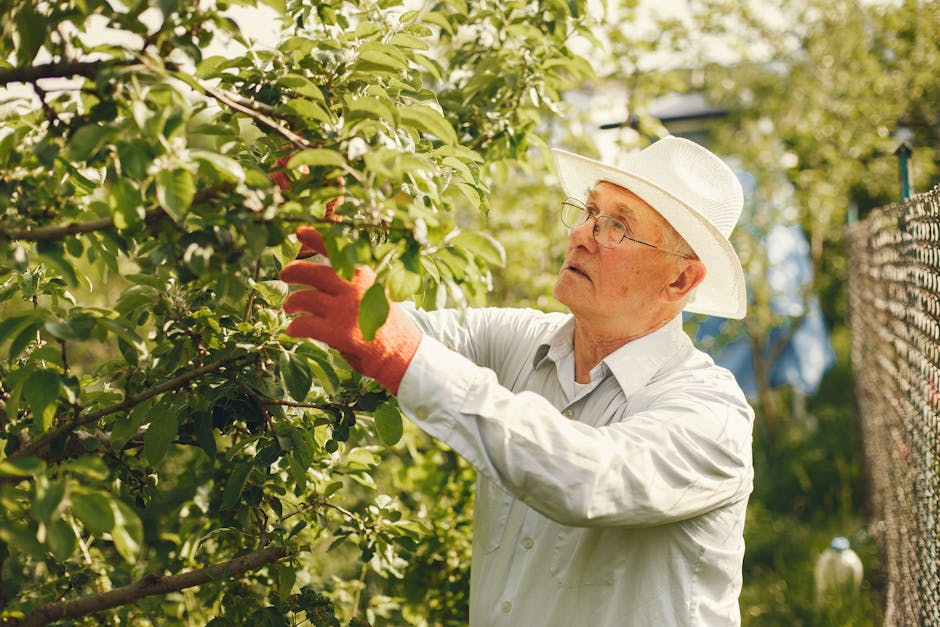
Regular seasonal visits to prune, shape canopies, harvest fruit, and clear fallen apples from the ground. Our structured approach helps home gardeners maintain healthy fruit trees without the guesswork, focusing on methods that respect each tree's natural growth cycle.
Book a Consultation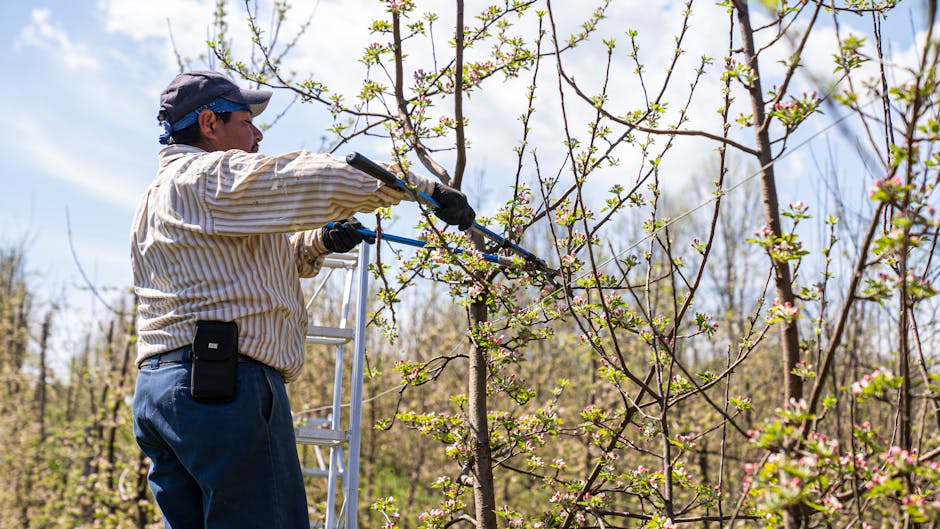
Orchard Care provides a systematic method for tending home fruit trees. Each visit follows a structured plan: assessing branch structure, removing damaged wood, shaping the canopy for light penetration, and clearing the ground of fallen fruit. This process aims to create a balanced environment where trees can thrive naturally. We work with apples, pears, plums, and other common UK orchard varieties. Our seasonal schedule adapts to the tree's growth stages, from winter pruning to autumn harvest and cleanup.
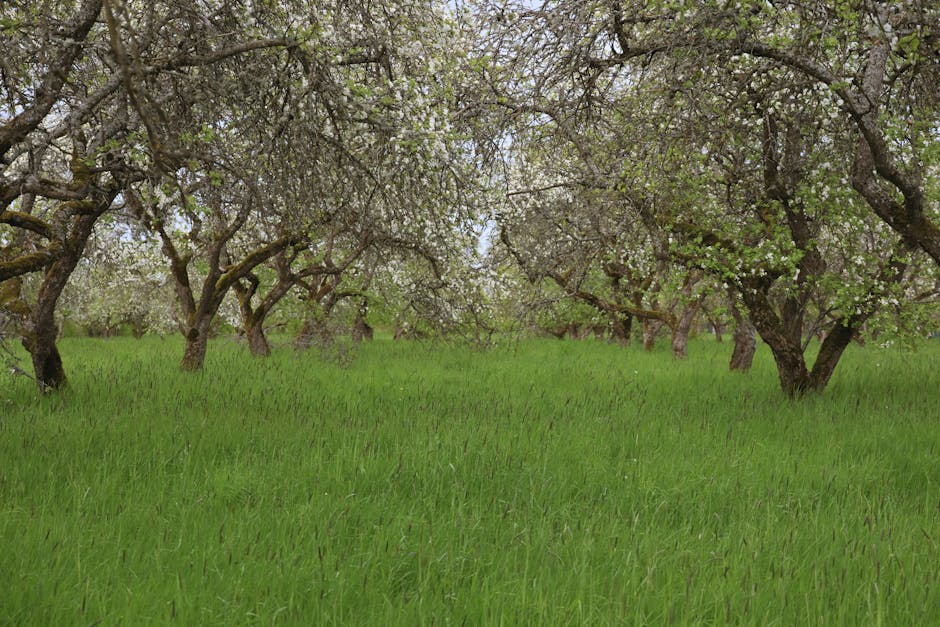
Fruit trees follow annual cycles that influence when specific tasks are most effective. Winter dormancy is the ideal time for structural pruning, as the tree's shape is clear and sap flow is minimal. Spring brings budding and flowering, requiring careful observation rather than heavy intervention. Summer growth benefits from light thinning to improve air circulation and sunlight distribution. Autumn harvest involves picking fruit at optimal ripeness and clearing any fallen apples to reduce pest habitats. Orchard Care's schedule aligns with these natural phases, providing timely interventions that support the tree's own rhythms.
Evaluate tree structure, note dead or crossing branches, and plan work for the season.
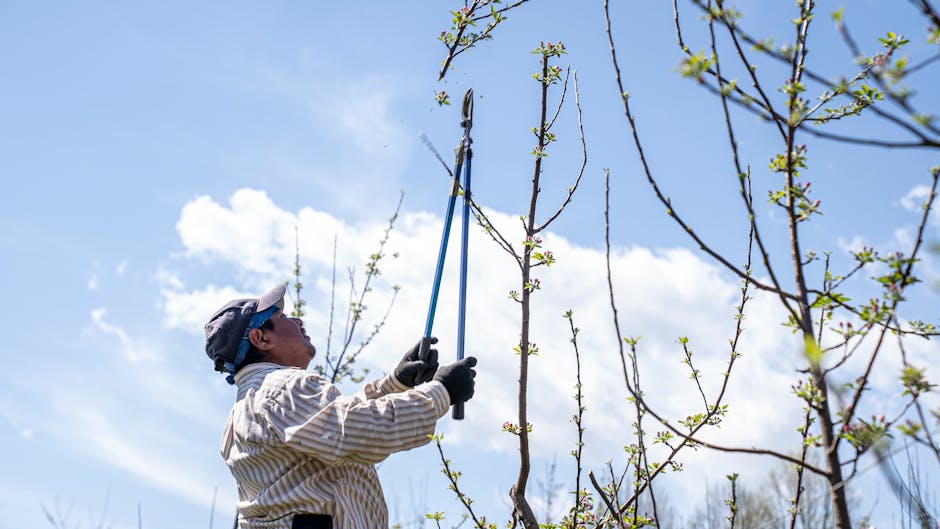
Remove damaged wood and shape the canopy to encourage balanced growth and light access.
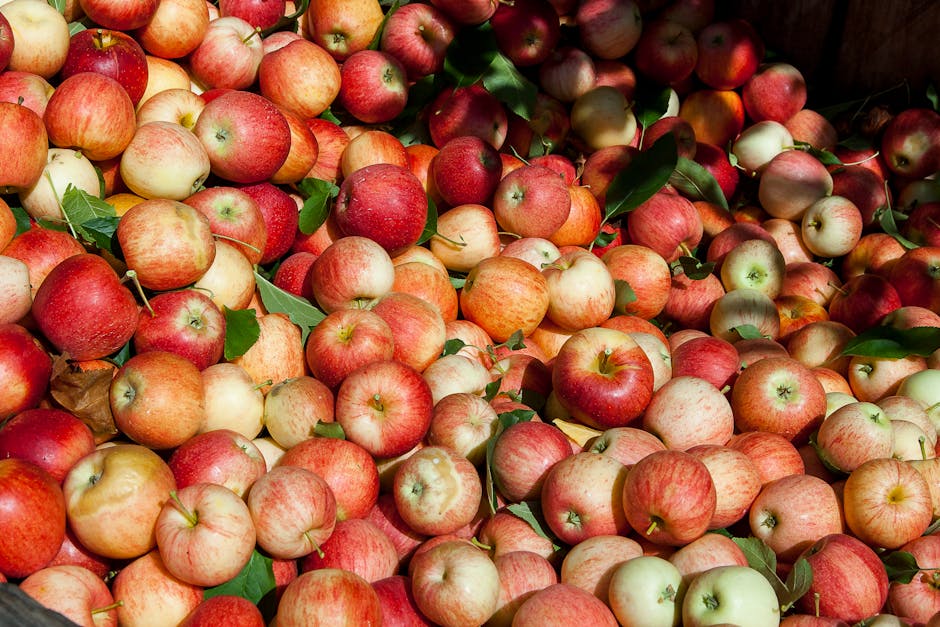
Pick ripe fruit carefully, preserving branch integrity and sorting by quality.
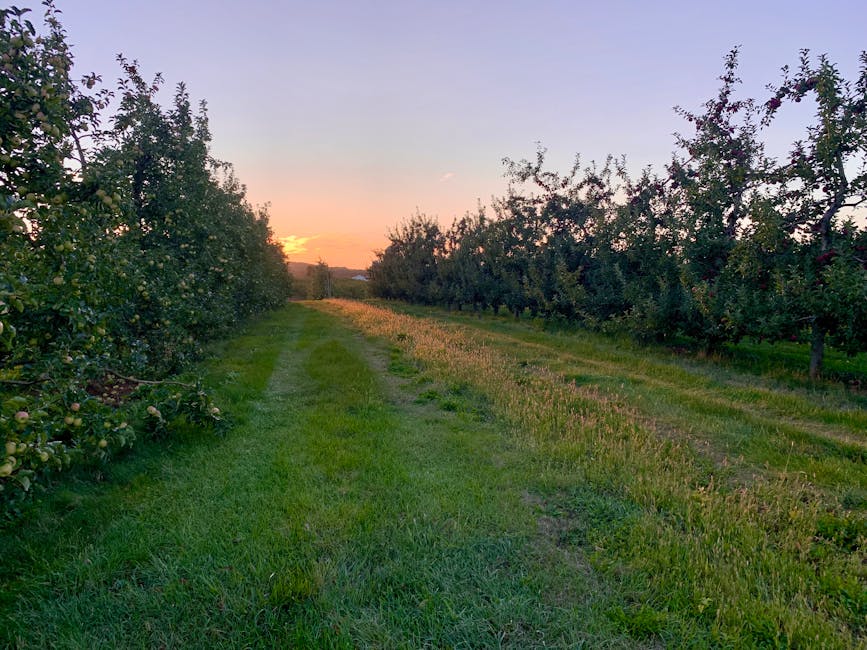
Clear fallen fruit and debris from trunk circles to reduce disease and pest pressure.
The structured visits take the worry out of orchard care. I appreciate knowing exactly what work is done each season.
After a few seasons, my trees look much healthier. The canopy shaping makes a real difference in fruit quality.
Clearing fallen apples was always a chore. Now it's part of a regular service that keeps my garden tidy.
Orchard Care operates on a pre‑scheduled basis, visiting your property at times that align with seasonal needs. Each session follows a consistent workflow: from assessment to execution, with clear communication about what was done. This methodical approach provides home gardeners with a reliable framework for maintaining their trees, without overpromising specific outcomes. The focus remains on process and transparency.
Consistent seasonal care helps fruit trees develop a balanced structure over time. Orchard Care's scheduled visits ensure that pruning, harvesting, and ground clearing happen at appropriate moments. Rather than reacting to problems, this proactive approach maintains the orchard in a steady state. Each visit includes a brief check of tree health indicators, allowing adjustments to be made gradually. For home gardeners, this removes the burden of remembering when to prune or harvest, while still keeping the work in their own hands.
Careful pruning to open up the crown and improve light penetration.
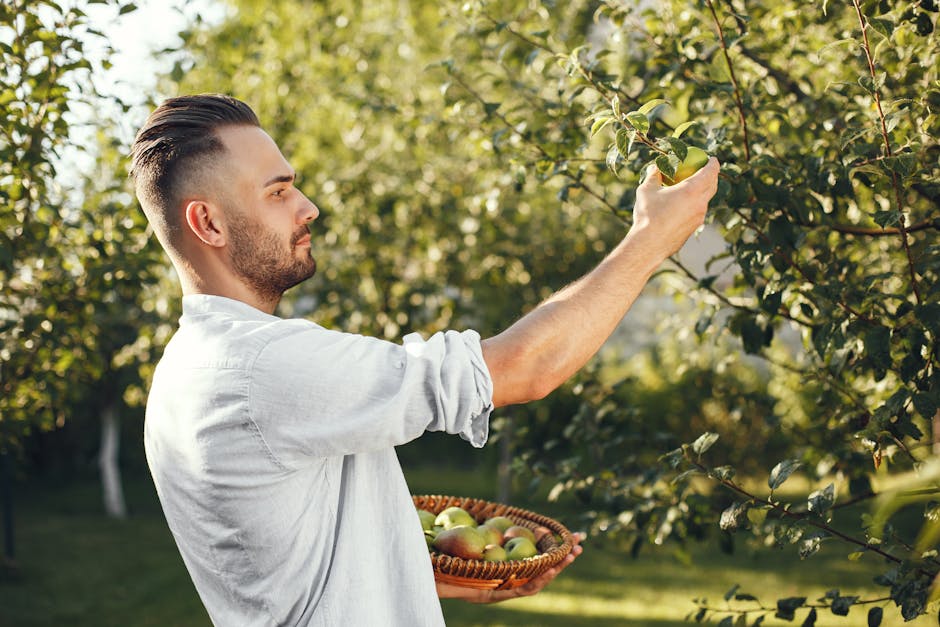
Hand‑picking fruit to avoid bruising and branch damage.
Removal of fallen fruit and leaves from trunk circles.
Pre‑arranged seasonal appointments tailored to your orchard.
We believe in clear communication about every step of the process. Before each visit, you receive a reminder of the planned tasks. After the work, a short summary outlines what was done and any observations noted. This transparency allows you to stay informed about your orchard's condition and to ask questions about the methods used.
Every orchard has unique characteristics: tree varieties, age, spacing, and soil conditions. Orchard Care adapts its approach to these factors. During the first visit, we map the layout and note each tree's specific needs. Subsequent visits adjust according to the tree's response. This tailored method respects the individuality of your garden rather than applying a one‑size‑fits‑all routine. Home gardeners appreciate the personal attention to their trees.
Pruning timing avoids disruption of bee activity during flowering.
Cuttings are chipped or left as mulch where appropriate.
Each visit includes a basic check for pests or disease signs.
A written summary of work done and recommendations for the next season.
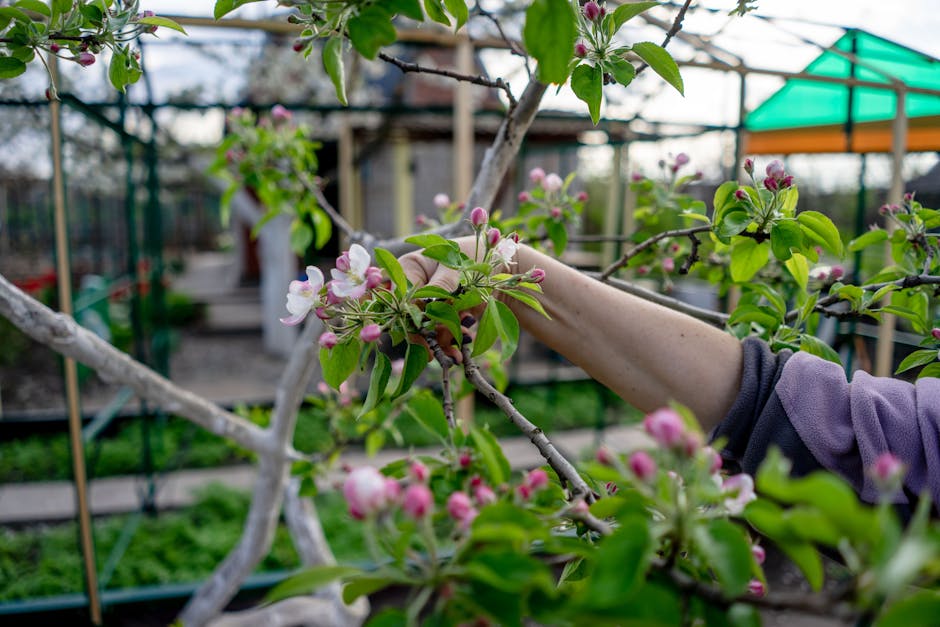
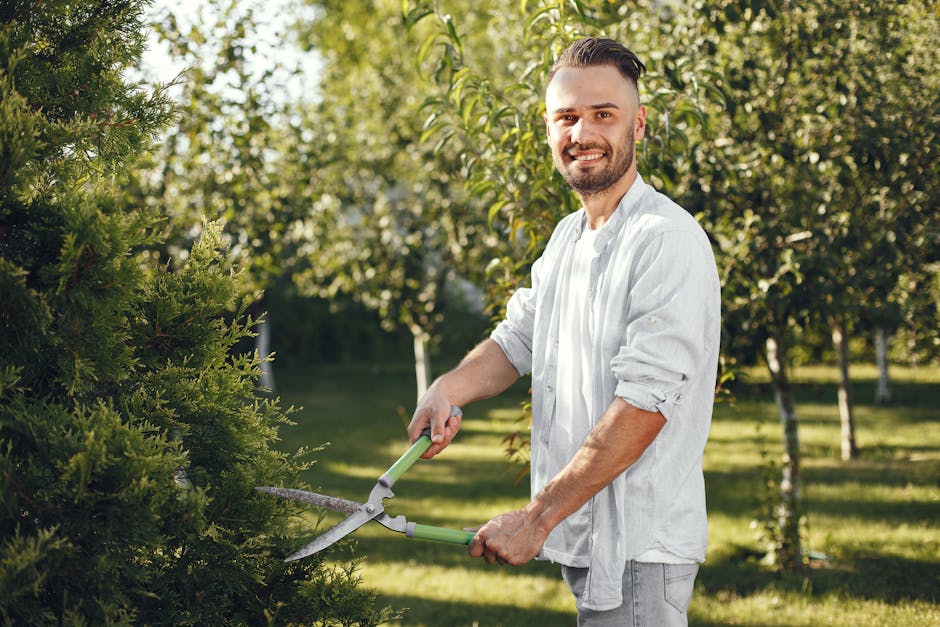
A selection of images showing canopy shaping, fruit harvesting, and ground clearing during our seasonal visits across UK home orchards.
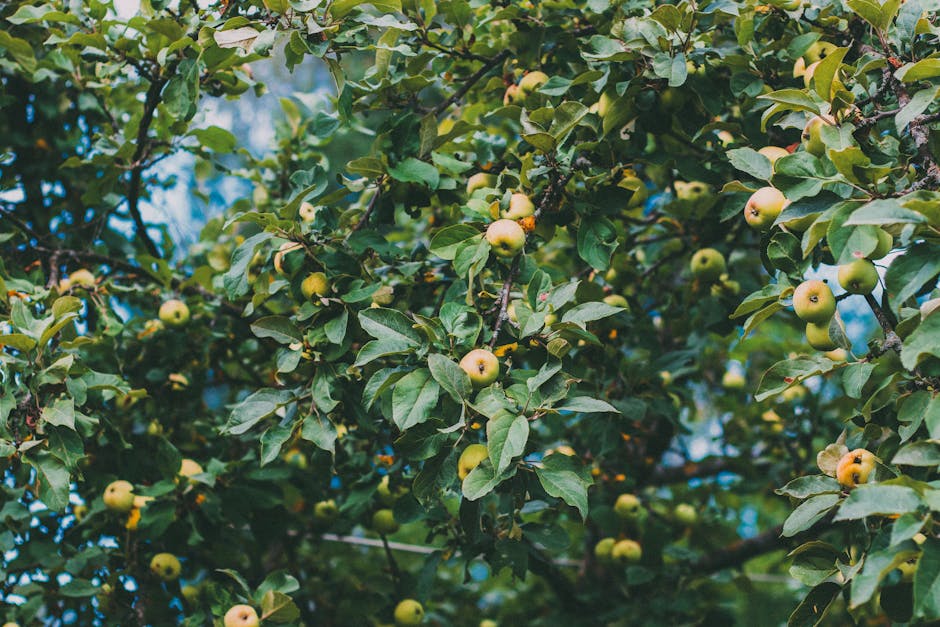
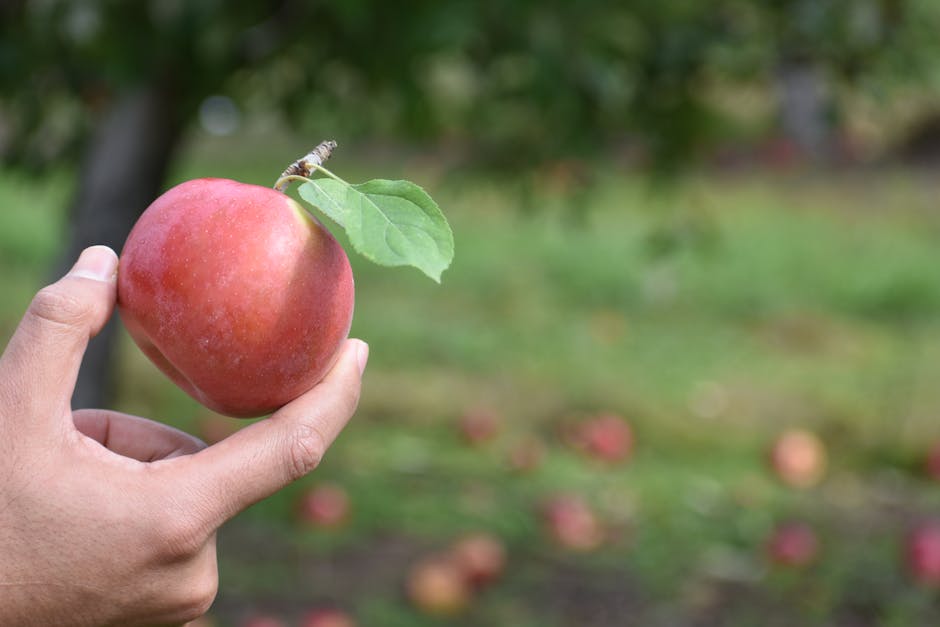
Orchard Care does not diagnose diseases or prescribe treatments. However, our observations can highlight signs that may warrant further investigation by a specialist. We note unusual leaf discolouration, bark damage, or pest activity and inform you. This information supports your decisions about whether to consult a qualified arborist or horticulturist for specific concerns.
Pruning is a central component of orchard care. It involves selective removal of branches to influence the tree's shape, light exposure, and air flow. Orchard Care uses techniques such as thinning cuts, heading cuts, and renewal pruning to maintain a balanced canopy. The goal is to create a structure that supports the tree's natural growth habits while making fruit accessible for harvesting. Each cut is made with consideration of the branch collar and overall tree health.
Remove dead, diseased, or crossing branches while tree is dormant.
Check budding and flower clusters; adjust ties or supports if needed.
Lightly prune to reduce overcrowding and improve fruit development.
Pick mature fruit and clear fallen apples from the ground.
Fill in the form to schedule a visit or ask about our orchard care services. We aim to respond within one business day.
Fill in the form to schedule a visit or ask about our orchard care services. We aim to respond within one business day.